
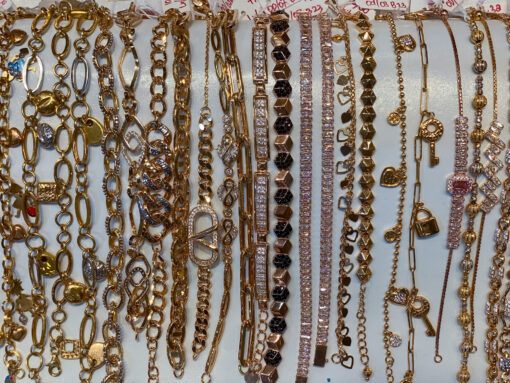
Inheriting jewelry or coins often comes with mixed emotions. These items may carry family history, personal memories, or a sense of responsibility to “do the right thing” with them. At the same time, many people aren’t sure what inherited pieces are actually worth or how to approach selling them. Understanding the basics before making a decision can help you move forward with confidence and clarity.
Whether the inheritance includes a single piece or an entire collection, taking a thoughtful approach is key.
Start by Understanding What You Have
Inherited jewelry and coins are often passed down without detailed information. Before assuming value—or lack of it—it’s important to identify the materials and general categories of the items.
Jewelry may include:
- Gold, silver, or platinum pieces
- Rings, necklaces, bracelets, or earrings
- Items with diamonds or other gemstones
Coins may include:
- Gold or silver bullion coins
- Collectible or commemorative coins
- Older circulated coins with precious metal content
Even items that appear simple or worn may have underlying value based on metal content or rarity.
Sentimental Value vs. Financial Value
One of the biggest challenges with inherited items is separating emotional value from market value. A piece that has been in the family for generations may feel priceless, but its resale value is determined by objective factors like material, weight, and demand.
It’s completely reasonable to keep certain pieces for sentimental reasons while selling others. Many people choose to hold onto one meaningful item and sell the rest, creating a balance between memory and practicality.
Documentation Helps—but Isn’t Required
Original receipts, certificates, or appraisals can be helpful, but they aren’t necessary to sell inherited jewelry or coins. Professional buyers rely on testing, weighing, and current market conditions rather than paperwork alone.
If documentation is available, bring it with you. If not, don’t let that stop you from getting an evaluation.
Why Market Timing Matters
The value of inherited items can fluctuate depending on precious metal prices and collector demand. Gold, silver, and certain coins may be worth significantly more during strong markets.
Understanding current conditions can help you decide whether to sell now or wait. A professional evaluation provides insight into how today’s market affects your specific items.
Avoid Rushing into Repairs or Cleaning
It’s common to think that polishing jewelry or cleaning coins will increase value, but this can actually have the opposite effect. Improper cleaning can damage surfaces, reduce collector appeal, or lower overall worth.
Inherited items should always be evaluated in their original condition. Experts can advise whether any action would truly add value—or if it’s best to leave them as-is.
Deciding What to Keep and What to Sell
There’s no single “right” way to handle inherited jewelry and coins. Some people sell everything, others keep select pieces, and some take time to decide.
Questions that may help guide the decision include:
- Do these items fit your lifestyle or taste?
- Would selling them provide meaningful financial benefit?
- Are there specific pieces with strong emotional significance?
Answering these questions can make the process feel more intentional and less overwhelming.
Getting Professional Guidance Makes the Process Easier
Selling inherited items doesn’t have to be complicated or stressful. GNJ Pawn Big provides clear, respectful evaluations that help sellers understand what they have and what it’s worth—without pressure.
If you’ve inherited jewelry or coins and are considering selling, contact GNJ Pawn Big at (661) 224-1999 to get straightforward information and make an informed decision that feels right for you.