
Colored diamonds come in all the shades of the rainbow but only natural ones are valuable
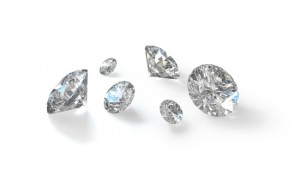 Colored diamonds have become increasingly popular in recent years. Chocolate, yellow, and black diamonds have been featured in haute couture jewelry collections and in pieces by designers like Dior and Louis Vuitton. The latest trend is “candy colored” diamonds from retail chains. Before you join the trend, take a minute to learn a little bit more about colored diamonds and make sure you’re making a good investment.
What Makes a Colored Diamond Special?
Over 300 different colors of diamonds have been distinguished with official names, and there are countless shade of each color ranging from light tints to deeply saturated hues. Colored diamonds are highly sought after because they combine the brilliance and hardness of a diamond with the bright color of a gem.
How Are Colored Diamonds Formed?
A white diamond is made from pure carbon. Other colors of diamonds come about when a diamond is exposed to factors like pressure, impurities, or natural radiation during its formation. Yellow, orange, and brown shades are created when there is nitrogen in the diamond, blue hues come from boron, and gray tones come from hydrogen. Pink, red, purple, and some brown colors are caused by deformation of the crystal lattice inside the diamond, and green diamonds are caused by millions of years of exposure to natural gamma radiation in the earth.
What Are Enhanced or Artificial Stones?
Heat, radiation, and pressure can be applied in a lab in order to create artificially colored diamonds. Often low-grade natural diamonds are used for this process, but synthetic diamonds created in a lab may also be used. Any diamond that is described as enhanced or artificial has been altered by man and is therefore missing the uniqueness and rarity that makes up a big portion of the appeal of a natural diamond. These diamonds are less expensive but the resale value is practically nonexistent. To make matters worse, a treated diamond’s color is unstable and can change over time.
How Valuable Are Colored Diamonds?
Natural colored diamonds can be quite valuable, depending on factors like the intensity of the hue, the size, the clarity, and the strength of demand for a particular color. In terms of resale value, the worth of your colored diamond jewelry really depends on whether or not you have a certification card. Because it can be difficult for your average jeweler to distinguish an artificially enhanced stone from a naturally colored one, without a certification card no one will touch your stone. Of course, you can still get cash for the value of whatever gold is in your jewelry or sell the piece as a collector’s item.