
Get the simplified version of what factors affect the value of your gold items
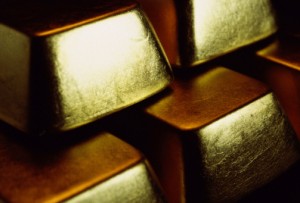 At its most basic, the price for gold is set by supply and demand in the global market. However, there are important differences in the types of demand that exist, making price predictions complex. Here is a brief overview of how market forces act on gold prices and what trends we may expect to see in the near future.
Gold Supply
Naturally, the amount of gold on the market is prime factor influencing price. The commodities supercycle of 2000 to 2008 which ushered in soaring gold prices was caused in large part by the fact that mining companies had not yet adjusted to the huge demand for gold from emerging markets such as China. Mining companies increased their production by about 15 percent since 2002, and gold recyclers ramped up production to fill the rest of the demand. The amount of recycled gold entering the market nearly doubled between 2002 and 2011, but supplies have now leveled off again, perhaps because many people have already sold off their scrap gold. Gold supply is expected to remain steady in 2014 and should not exert significant influence on prices.
Gold Demand
Global gold demand can be broken down into four main areas: jewelry, investment, technology, and central banks. Each of these areas is subject to different market forces that can increase or decrease that particular type of demand. This is what makes predicting gold prices so difficult!
The amount of gold needed for technology is expected to remain steady, so we can cross that off the list.
The demand for gold jewelry is expected to increase due to increased prosperity in countries such as India and China.
The demand for gold to be held by central banks is very hard to predict. One possible scenario is that nations with emerging economies will want to hold more gold in their central banks to even their standing with other nations. However, nations with debt problems may need to liquidate their central bank holdings.
The demand for gold as an investment vehicle is often regarded as the key part of the puzzle. This factor is tightly linked with the economy as well as with the fiscal policy of individual countries. For example, many analysts expect that the demand for investment gold in the US could rise significantly if the Federal Reserve does not end quantitative easing. Quantitative easing is essentially printing more dollars, which is intended to help the economy but can also result in the dilution of the value of a dollar. This makes investors nervous and creates a demand for hard assets like gold.
What does all this mean? Analysts predict that gold prices will rise in 2014 and could continue to rise in years to come. However, the exact amount of the rise is impossible to predict and price estimates for gold range from $1,300 to $3,500 per ounce.
Regardless, now is a good time to sell gold if you need cash fast. At Gems & Jewelry Inc. we accept all kinds of gold coins, jewelry, and trinkets and we welcome you to come by for a free quote.